
April 30, 2026, 5:38 p.m.
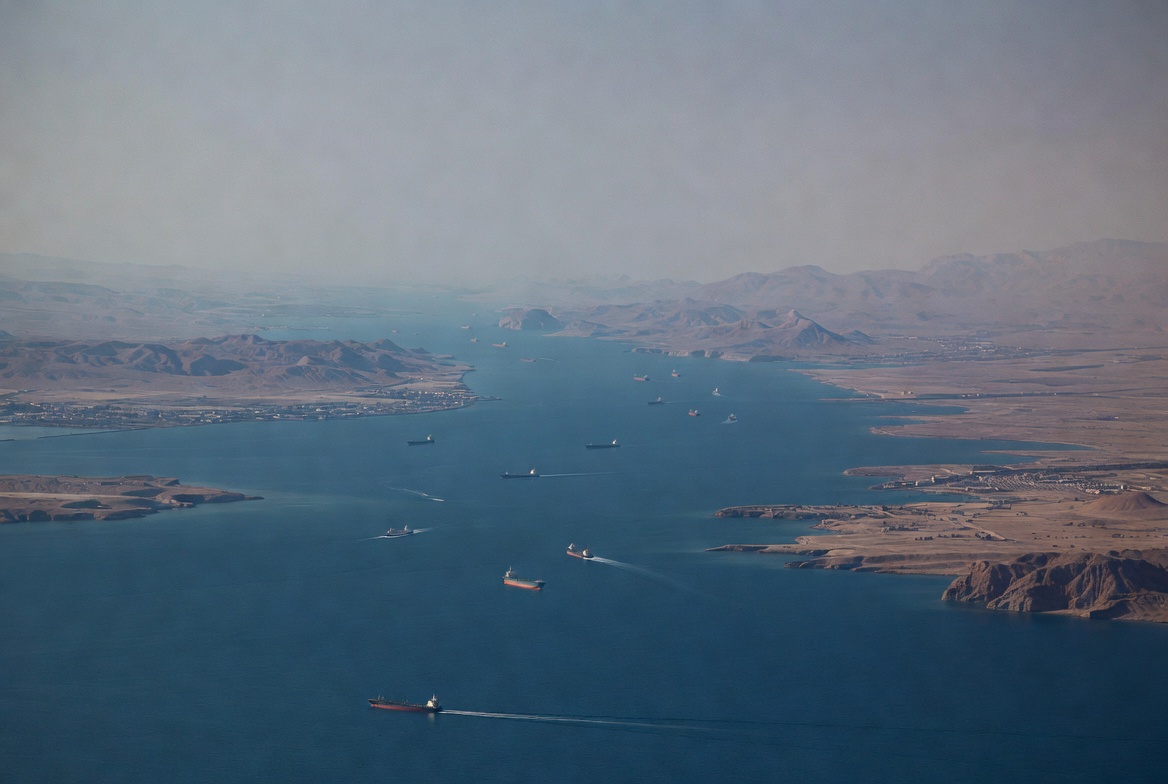
The Strait of Hormuz, a critical maritime chokepoint, continues to remain effectively closed to most international shipping amid ongoing regional tensions. This vital waterway, which normally carries around 20 percent of the world's oil and gas supplies, has seen traffic stall following military actions and retaliatory measures. The disruption has driven oil prices sharply higher, with Brent crude surpassing $125 per barrel, creating significant challenges for global energy markets and seafarers worldwide.
The United States is actively promoting a new international initiative called the Maritime Freedom Construct. This coalition aims to bring together partner nations to restore safe passage through the strait. According to a State Department cable, the construct focuses on sharing maritime information, coordinating diplomatic efforts, and supporting the enforcement of sanctions where necessary. It is positioned as an important initial step toward building a more stable maritime security framework in the Middle East once the current hostilities subside.
For professional mariners, the closure of the Strait of Hormuz highlights the real-world risks of operating in high-tension areas. Seafarers must stay alert to rapidly changing security situations, including potential threats from naval blockades, warnings of military action, and restrictions on vessel movements. Even limited transits, such as a recent Japan-linked oil tanker or an LNG carrier that successfully passed, remain exceptions rather than the norm. Most commercial vessels continue to avoid the area due to safety concerns and insurance implications.
Why This Matters for Seafarers
The situation stems from a broader conflict that began with strikes in late February 2026. Iran has restricted shipping through the strait in response to perceived threats, while the US has implemented measures targeting Iranian oil exports. Mediators, including Pakistan, are involved in back-channel communications to prevent further escalation. Negotiations remain stalled, with differing priorities on nuclear issues, sanctions, and the reopening of sea lanes.
Maritime professionals operating in or near the Persian Gulf should prioritize the following:
- Monitor updates from flag states, ship operators, and organizations like the International Maritime Organization (IMO).
- Review voyage risk assessments carefully, including war risk insurance coverage and crew welfare protocols.
- Prepare for rerouting options, which may increase transit times and fuel costs significantly.
- Maintain strict compliance with any sanctions regimes to avoid legal or operational complications.
The US has consulted with allies such as France and Britain, though many partners prefer to engage more actively only after a ceasefire or reduction in hostilities. President Trump has emphasized the need for a strong response to ensure freedom of navigation, a longstanding principle of international maritime law that protects the rights of all vessels to transit international straits.
Broader Impact on Global Shipping
The prolonged closure affects not only oil and gas but also other commodities moving through the region. With thousands of ships potentially impacted or delayed, supply chains face pressure that can translate into higher costs for consumers everywhere. Seafarers on tankers, bulk carriers, and container vessels may encounter longer waits, changed port calls, or the need to transit alternative routes around the Cape of Good Hope.
This crisis serves as a reminder of how geopolitical developments can directly influence daily operations at sea. Freedom of navigation is not an abstract concept but a practical necessity for safe and efficient maritime trade. The proposed Maritime Freedom Construct seeks to reinforce this principle through collective international action.
Resource:
Adapted and rephrased from original reporting by Reuters via gCaptain (April 30, 2026). For the latest official guidance, refer to your flag state advisories, BIMCO, or the IMO website.
There are no comments.
Similar Posts
-
Incident in the Strait of Hormuz: Iranian Gunboats Open Fire on Indian-Flagged Vessels
April 19, 2026, 8:06 p.m.
-
Shipping Industry Urges Caution on Strait of Hormuz Transit Despite Political Claims of Open Passage
April 17, 2026, 6:35 p.m.
-
Strategic Awareness: Understanding Mass Vessel Deployments and Regional Seaway Safety
May 25, 2026, 6:19 p.m.
-
Navigating the Strait of Hormuz: Regional Perspectives and Security Trends
April 22, 2026, 6:38 p.m.