April 22, 2026, 6:38 p.m.
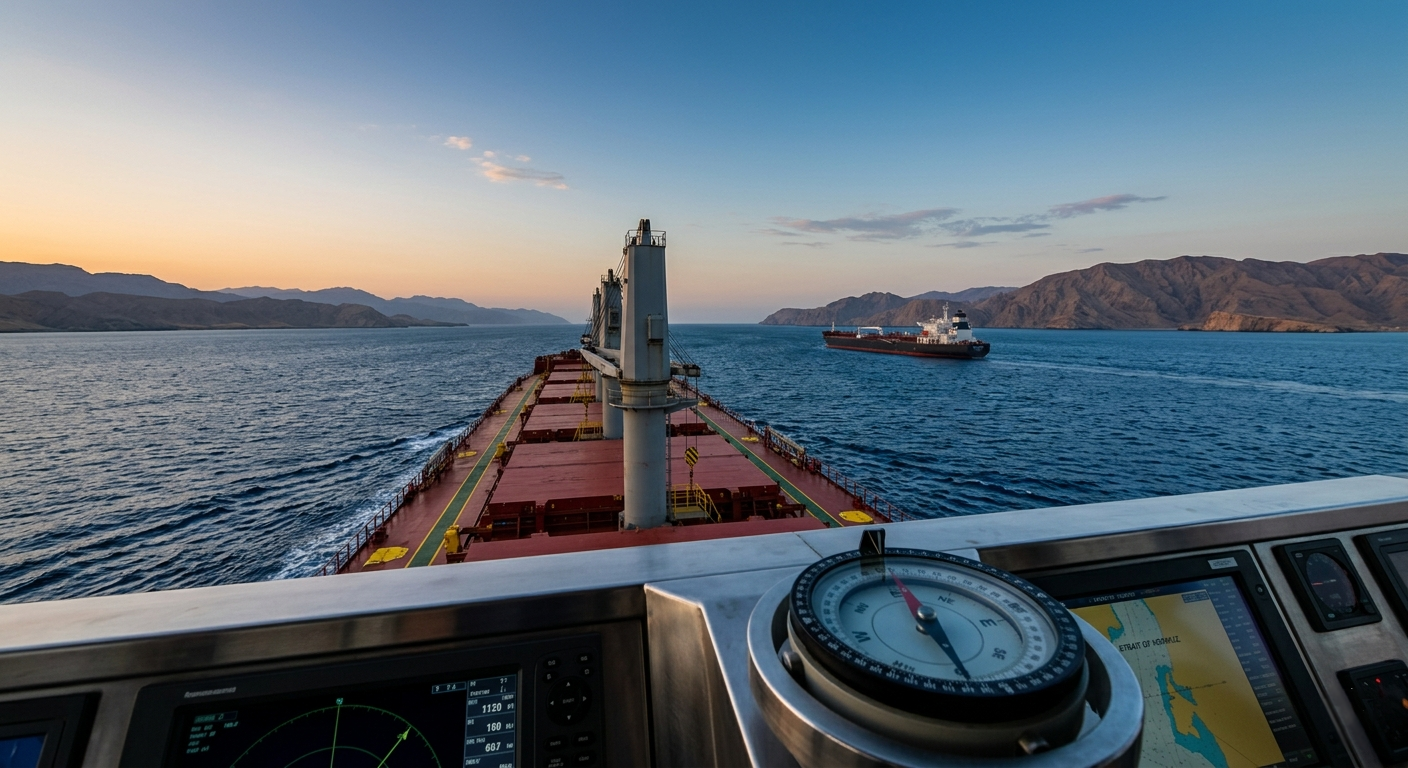
The Strait of Hormuz remains one of the most critical maritime chokepoints in the world, facilitating the transit of a massive portion of global energy supplies. For maritime professionals, understanding the current geopolitical landscape and the varying approaches to risk management in this region is vital for safe operations. Recent industry discussions highlight a significant divergence in how shipowners from different regions perceive and manage the risks of transiting these volatile waters.
Regional Risk Assessment and Operational Decisions
Industry experts and senior shipping executives observe that Asian shipowners are likely to resume full scale transits through the Strait of Hormuz and the Red Sea sooner than their Western counterparts. This trend is driven by several factors, including diplomatic ties, historical presence in the region, and different corporate risk thresholds.
For a navigator or a ship manager, this means that the "rules of the road" regarding security are not uniform across the global fleet. While a Western-managed vessel might opt for a lengthy detour around the Cape of Good Hope to avoid potential threats, an Asian-flagged or owned vessel might continue its scheduled route through the Middle East. This creates a complex operational environment where vessels in the same area may be following vastly different security protocols based on their corporate headquarters' location.
The Role of Diplomatic Relations in Maritime Safety
The willingness of certain owners to cross high risk areas often stems from the perceived "immunity" provided by their national diplomacy. Shipowners from countries with neutral or positive diplomatic standing with regional powers often feel more secure. They believe their vessels are less likely to be targeted by regional actors or insurgent groups.
However, from a professional seafaring perspective, it is crucial to remember that security at sea is never guaranteed by diplomacy alone. Crew members must remain vigilant, regardless of the ship's ownership. The implementation of Best Management Practices (BMP5) and maintaining high levels of situational awareness are standard requirements for any transit, irrespective of the company's regional origin.
Technical and Crewing Implications
The decision to transit the Strait of Hormuz has direct consequences for the crew. Maritime students should be aware of the following operational aspects:
- Insurance and War Risk Premiums: Transiting these areas involves significantly higher insurance costs. This often dictates the commercial viability of a voyage and influences the master's standing orders regarding speed and routeing.
- Hardship and Danger Pay: Many collective bargaining agreements and private contracts include specific clauses for "High Risk Areas." This impacts the administrative work of the Master and the Chief Officer regarding payroll and crew welfare.
- Security Personnel: Depending on the owner's risk assessment, private maritime security teams may be embarked. This requires the crew to integrate third party personnel into the ship's daily routine and emergency response plans.
Future Outlook for Middle Eastern Transit
The maritime industry is currently in a state of "wait and see." While some Asian firms show more readiness to utilize traditional routes, the global shipping community remains cautious. The shift back to normal traffic patterns will be gradual and heavily dependent on a sustained period of stability without maritime incidents.
For the next generation of officers, the ability to analyze geopolitical news and understand how it affects vessel routing is a core competency. The Strait of Hormuz serves as a practical classroom for the intersection of global politics, maritime law, and operational safety.
Conclusion for Maritime Professionals
Safety at sea is the ultimate priority. While corporate offices in Singapore, Tokyo, or Oslo may make the final decision on whether to transit a high risk area, the responsibility for the safe execution of that transit lies with the Bridge team and the engine room. Staying informed about regional trends and maintaining the highest standards of shipboard security are the best tools a seafarer has in these challenging times.
Resource: Based on maritime industry analysis and executive interviews provided by gCaptain (2026) regarding regional shipowner strategies in the Middle East.
There are no comments.
Similar Posts
-
Global Energy Shift: The Rise of Atlantic Basin Tanker Routes
April 22, 2026, 6:32 p.m.
-
US Leads International Effort to Restore Freedom of Navigation in the Strait of Hormuz
April 30, 2026, 5:38 p.m.
-
Incident in the Strait of Hormuz: Iranian Gunboats Open Fire on Indian-Flagged Vessels
April 19, 2026, 8:06 p.m.