April 17, 2026, 6:35 p.m.
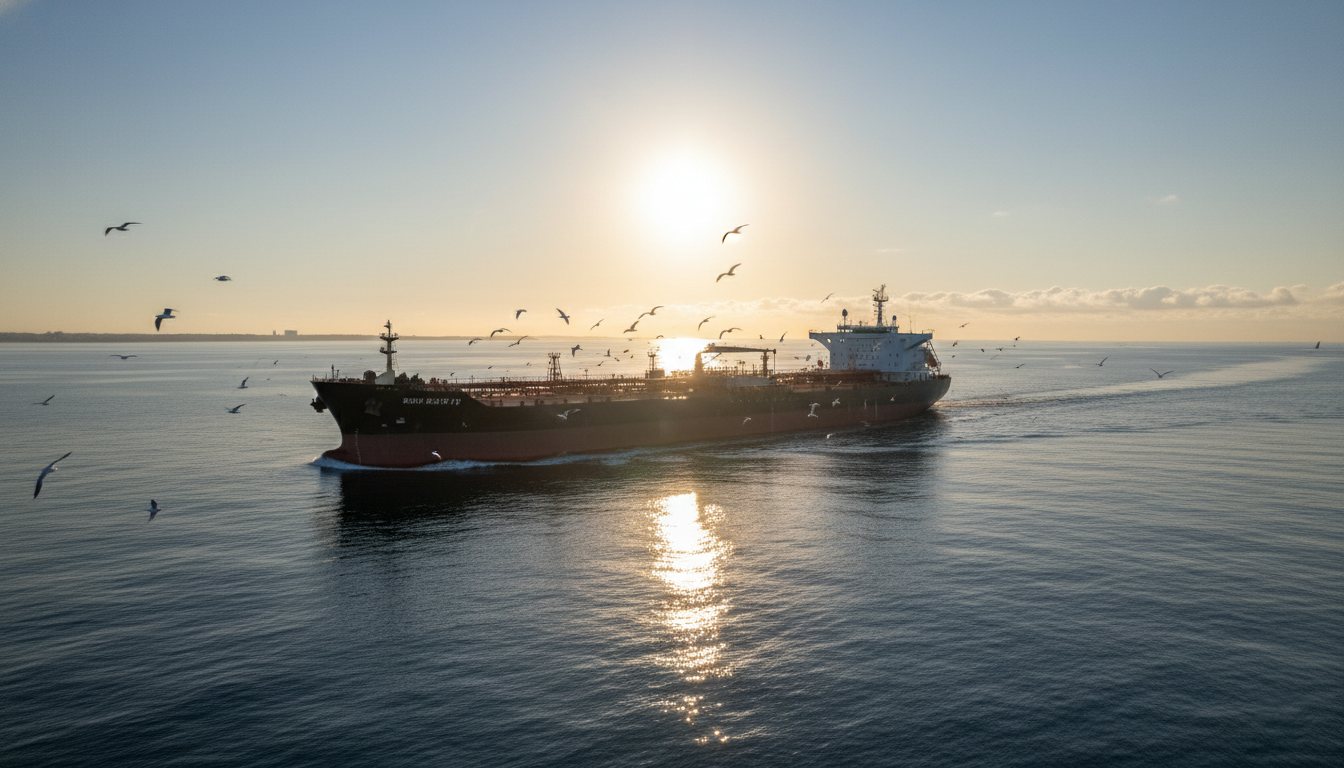
The global shipping community is calling for careful assessment following recent statements from both Washington and Tehran claiming that the Strait of Hormuz is open for commercial traffic. While political leaders have announced a return to normal operations linked to a ceasefire agreement, maritime organizations stress that conditions at sea remain challenging and far from routine.
On April 17, 2026, Iranian authorities declared the strait open in connection with the ceasefire in Lebanon. At the same time, U.S. President Trump posted on social media that the strait is fully open and ready for passage. However, these messages contrast with practical realities faced by vessel operators. Iran has specified that ships must follow a designated coordinated route close to its coastline instead of the standard international Traffic Separation Scheme recognized by the International Maritime Organization.
Industry groups have responded by highlighting ongoing uncertainties. The IMO Secretary-General Arsenio Dominguez stated that the organization is verifying whether the announcements align with principles of freedom of navigation and secure passage under the established IMO traffic separation scheme.
BIMCO, a leading international shipping association, was quick to challenge the optimistic narrative. Its Chief Safety and Security Officer, Jakob Larsen, described the claim that the strait is fully open as inaccurate. He pointed out that the status of mine threats within the main shipping lanes remains unclear, and those lanes have not yet been declared safe for transit. BIMCO advised operators to consider avoiding the area until more reliable guidance becomes available, emphasizing the difference between political statements and actual operational safety.
INTERTANKO, the tanker industry association, raised similar concerns with a focus on legal and security issues. Under the current framework, vessels may need to follow routes coordinated with Iranian authorities, which some interpret as a form of controlled passage that could involve payments or permissions. INTERTANKO warned members against making any such payments, noting that the United States is likely to enforce sanctions and may not permit passage for ships that have engaged in such arrangements. The association recommended delaying transits when possible, avoiding the strait until the situation stabilizes further, and maintaining regular contact with naval forces in the region.
These warnings come even as a U.S.-Iran ceasefire that began on April 7, 2026, has held without confirmed new attacks on commercial vessels. Despite the lull in direct hostilities, the operational environment features overlapping controls: Iranian military oversight of transits on one side and continued U.S. enforcement actions targeting Iran-linked trade on the other. This creates a complex gray zone where neutral merchant ships could still face inspections, delays, or diversions.
Mine risks add another layer of concern. Recent maritime advisories continue to treat the Traffic Separation Scheme and nearby waters as potential mine-threat areas until they can be properly surveyed and cleared. Shipowners must weigh these factors against insurance considerations, charter party terms, and the safety of crews.
For seafarers and maritime professionals, the situation underscores the importance of relying on professional risk assessments rather than high-level political declarations. Standard best practices remain essential: continuous monitoring of official guidance from flag states, war risk insurers, and naval authorities; strict adherence to company security procedures; and readiness to adjust routes or schedules as new information emerges.
The broader context shows why this chokepoint matters so much to global trade. The Strait of Hormuz handles a significant portion of the world's oil and gas shipments, and any prolonged disruption affects energy prices, supply chains, and vessel operations far beyond the region. While traffic has not returned to pre-crisis levels, the industry message is clear: safety of navigation and crew protection must come first.
Resource: This article is a paraphrased and adapted version based on reporting from gCaptain (April 17, 2026) and supporting maritime advisories.
There are no comments.
Similar Posts
-
US Leads International Effort to Restore Freedom of Navigation in the Strait of Hormuz
April 30, 2026, 5:38 p.m.
-
Incident in the Strait of Hormuz: Iranian Gunboats Open Fire on Indian-Flagged Vessels
April 19, 2026, 8:06 p.m.
-
US Naval Blockade of Iranian Ports Enters Second Day as Peace Talks Show Signs of Progress
April 14, 2026, 5:40 p.m.
-
Damaged Energy Facilities in the Gulf Region
April 12, 2026, 4:59 p.m.