
April 22, 2026, 6:32 p.m.
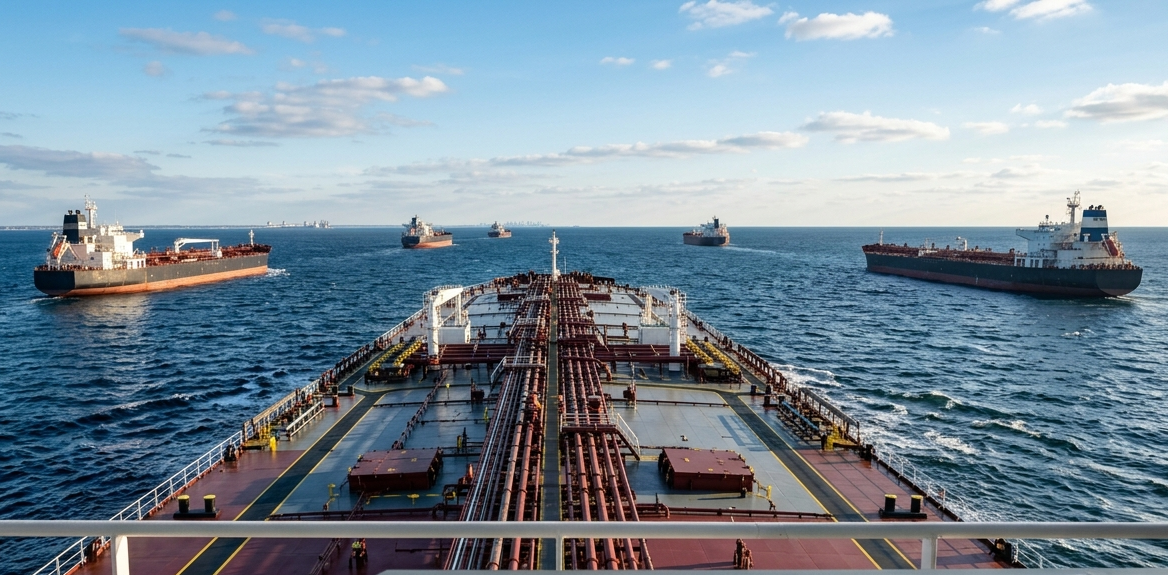
The global maritime landscape is undergoing a fundamental transformation as United States energy exports reach unprecedented levels. For maritime professionals and students, understanding these shifting trade patterns is essential for navigating the current job market and operational environment. Recent data indicates that the surge in American "black gold" is not merely a temporary spike but a structural realignment of global tanker traffic, pulling a significant portion of the world fleet toward the West.
The Westward Pivot of the Tanker Fleet
For decades, the Middle East was the undisputed gravity center for crude oil transportation. However, recent developments have seen a massive pivot. A record number of vessels—estimated at over 230 tankers—are currently en route to U.S. terminals to load energy cargoes. This shift is so pronounced that ballast vessels (ships sailing without cargo) are increasingly leaving traditional hubs like India to cross the Atlantic.
For deck officers and engineers, this means longer voyages and a change in routine ports of call. The traditional short-haul routes in the Persian Gulf are being replaced by long-haul Atlantic crossings. These extended journeys increase the demand for "ton-miles," a key metric in shipping that measures the volume of cargo moved multiplied by the distance traveled. Higher ton-mile demand generally supports stronger freight rates and higher demand for qualified crew.
Market Dynamics and Freight Rates
The tanker market has recently transitioned from "absurd highs" to a more stable, yet elevated, "new floor." While the period of VLCCs (Very Large Crude Carriers) earning astronomical sums has cooled, the market remains robust. Current industry analysis suggests that rates for Aframax and VLCC vessels will stay elevated compared to historical averages.
From a commercial perspective, the industry is moving away from the expectation of unsustainable daily rates. Instead, a new baseline has been established. This stability is driven by the fact that the West is absorbing a larger share of the market, necessitating assets to travel much longer distances to reach Asian and European consumers. For those entering the maritime profession, this suggests a period of relative job security within the tanker segment.
Fleet Quality and the Impact of Sanctions
A critical factor for modern seafarers to monitor is the growing divide between the "mainstream" fleet and the so-called "shadow" or sanctioned fleet. Major oil companies are increasingly selective, showing a clear preference for modern, well-maintained vessels over older, sanctioned assets.
Regardless of the legal complexities of international sanctions, the market reality is that top-tier charterers avoid aging ships with questionable documentation. This trend reinforces the importance of high-quality maintenance and strict adherence to international safety standards (such as TMSA and SIRE 2.0). For technical officers, this means working on more sophisticated, younger vessels where environmental compliance and digital monitoring are becoming the norm.
Key Takeaways for Maritime Students
- Strategic Geography: The Atlantic Basin is now a primary theater for tanker operations. Familiarity with U.S. Gulf Coast ports and North Atlantic weather patterns is increasingly valuable.
- Operational Endurance: Longer voyages require better resource management, from fuel optimization to crew welfare and machinery maintenance schedules.
- Regulatory Vigilance: As the industry distances itself from "shadow" fleets, professional certifications and a clean record of compliance are more important than ever for a successful career.
The current energy boom in the West is more than a news headline; it is a reshaping of the global trade map. As the center of gravity stays firmly in the Atlantic, the maritime industry continues to adapt, offering new challenges and opportunities for the next generation of seafarers.
Resource: Based on industry insights and interviews from gCaptain Maritime News (2026) regarding the U.S. energy export surge and its impact on global tanker distribution.
There are no comments.
Similar Posts
-
Navigating the Strait of Hormuz: Regional Perspectives and Security Trends
April 22, 2026, 6:38 p.m.
-
U.S.-Venezuela Oil Agreement Shakes Global Markets and Redirects Flows from China
Jan. 7, 2026, 3:45 p.m.
-
Human Capital in the Green Transition: Preparing the Future Maritime Workforce
May 25, 2026, 6:31 p.m.
-
Strategic Awareness: Understanding Mass Vessel Deployments and Regional Seaway Safety
May 25, 2026, 6:19 p.m.