
Feb. 28, 2026, 4:11 p.m.
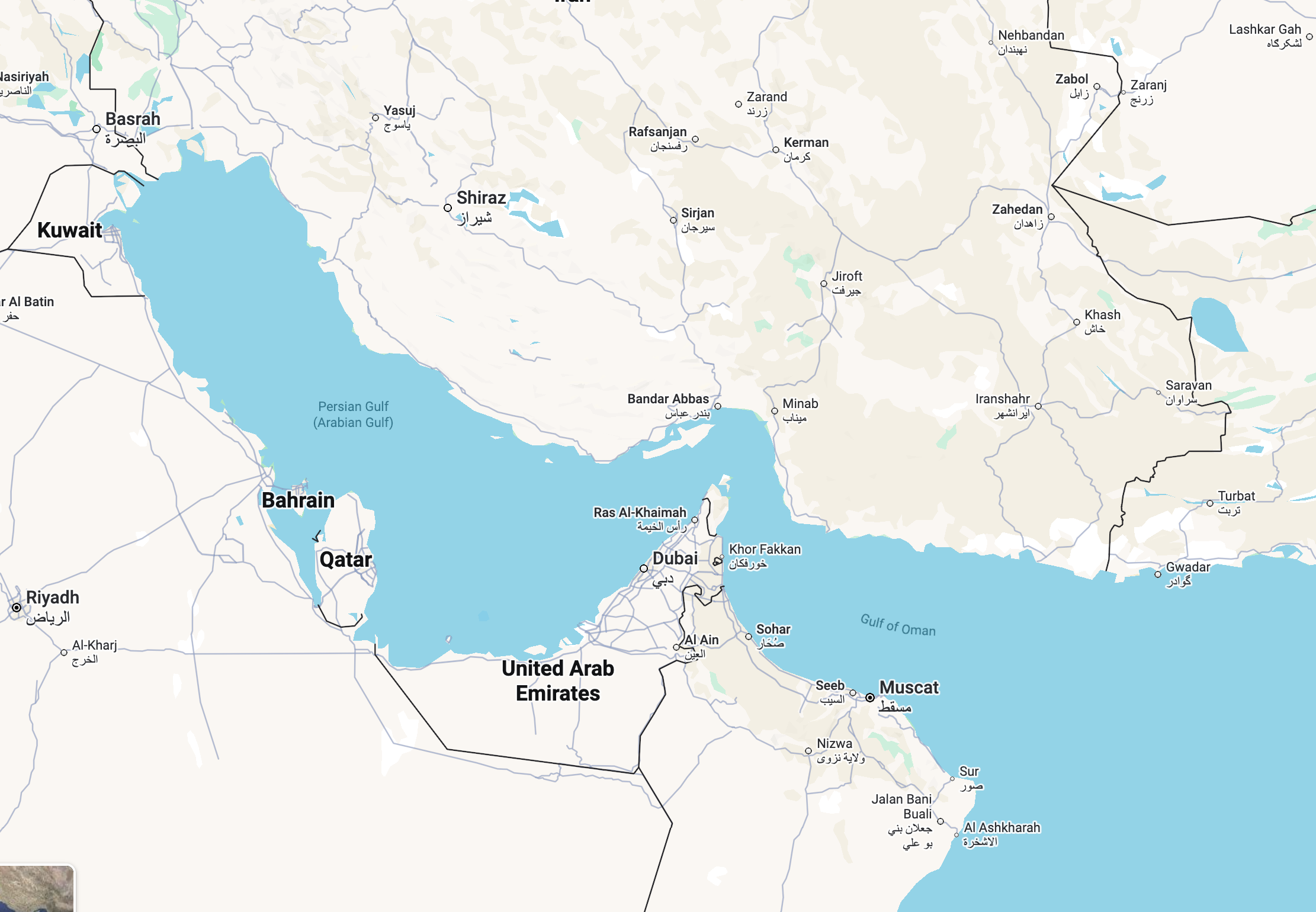
Amid recent misinformation, it is crucial to soberly assess the real risks. The Strait of Hormuz is a narrow chokepoint (only about 40 km wide) through which approximately 20% of the world's daily oil consumption and a critical share of LNG pass. Any physical blockade of this artery is not a local incident, but an immediate systemic shock to global supply chains.
If the hypothetical blockade scenario materializes, the maritime industry will face the following consequences:
🔹 Immediate Traffic Paralysis and the "Bottleneck" Effect Movement will stop within the first few hours. We will see an unprecedented accumulation of the liquid bulk fleet (VLCCs, Suezmaxes, gas carriers) both trapped inside the Persian Gulf and waiting on the approaches in the Arabian Sea.
🔹 Insurance Market Reaction as the Main Stop-Factor Maritime trade in the region will halt even before physical obstacles appear on the water. P&I clubs and London insurers will immediately revise War Risk premiums. Rates will skyrocket to prohibitive levels, or coverage for the Gulf zone will be withdrawn entirely. No shipowner will risk sending an asset worth hundreds of millions of dollars into a conflict zone without insurance.
🔹 The Illusion of Logistical Alternatives Unlike the Suez Canal crisis, where vessels were rerouted around the Cape of Good Hope, the Strait of Hormuz is a geographical dead-end. Overland alternatives—the East-West pipeline in Saudi Arabia and the Habshan-Fujairah pipeline in the UAE—will quickly reach their maximum throughput capacity and will only be able to compensate for a fraction of the blocked maritime volumes.
🔹 Cascading Effect on the Global Supply Chain A severe shortage of energy resources will trigger a spike in bunker fuel prices. This will automatically increase freight costs worldwide, driving up inflation across all product categories—from raw materials to FMCG container shipping. The schedules of major hub ports in Asia and Europe will be heavily disrupted.
It is the sheer scale of these economic and logistical consequences that makes the blockade of the strait a global "red line," which is highly likely to provoke immediate intervention by international coalitions to ensure freedom of navigation.
Colleagues, how do you assess the resilience of your supply chains to such macroeconomic shocks in energy markets? Are such scenarios factored into your risk management? Share your thoughts in the comments. 👇
There are no comments.
Similar Posts
-
Global Maritime Regulations and Geopolitics: Understanding the New 30-Day Russian Oil Waiver
May 18, 2026, 7:07 p.m.
-
US Leads International Effort to Restore Freedom of Navigation in the Strait of Hormuz
April 30, 2026, 5:38 p.m.
-
Navigating the Strait of Hormuz: Regional Perspectives and Security Trends
April 22, 2026, 6:38 p.m.
-
Modern Shipping: How Resilience, Digital Tools and Sustainability Shape Your Work at Sea
Feb. 10, 2026, 4:45 p.m.