
April 23, 2026, 6:48 p.m.
Incident Overview and Sequence of Events
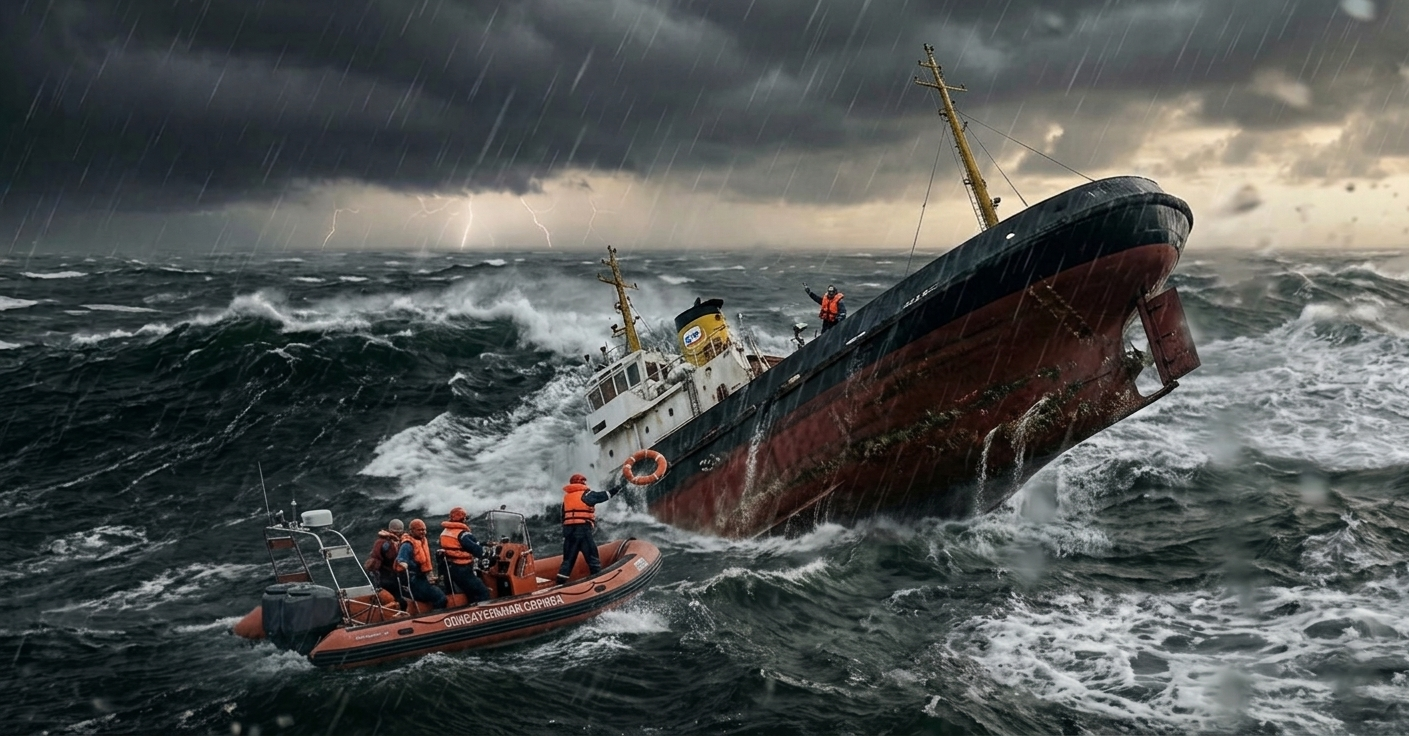
During the peak of Super Typhoon Gaemi, a significant maritime disaster occurred off the coast of Taiwan involving a Tanzanian flagged general cargo ship named the Fu Shun. As the cyclone battered the region with extreme wind speeds and massive swells, the vessel lost stability and eventually overturned. At the time of the incident, nine crew members, all of whom were Myanmar nationals, were on board the freighter.
The disaster unfolded in one of the most dangerous maritime environments imaginable. Wind speeds were recorded at hurricane force, and the sea state was characterized by mountainous waves that overwhelmed the vessel's defenses. Due to the severity of the weather, initial rescue attempts were severely restricted. Search and rescue (SAR) teams from the local coast guard were forced to wait for a slight improvement in conditions before deploying aircraft and surface vessels to the site of the sinking.
Search, Rescue, and Recovery Operations
As the storm began to subside, a coordinated search effort was launched. Three survivors were eventually located after they managed to reach the shore or were found in relatively sheltered areas near the coast. However, the mission transitioned from a rescue to a recovery operation when the body of one crew member was discovered on a beach in the southern region of Taiwan.
The search for the remaining missing sailors continues, involving coastal patrols and aerial surveillance. The challenges faced by the responders highlight the extreme difficulty of conducting SAR operations during a super typhoon, where visibility is near zero and the risk to the rescuers themselves is substantial.
Educational Analysis for Seafarers
This tragedy serves as a critical case study for maritime professionals regarding heavy weather navigation and emergency procedures. Analysis of such incidents suggests several key areas where safety protocols are vital.
First, weather routing and early evasion are the primary lines of defense. For a vessel of the Fu Shun’s size, seeking a safe harbor or a "typhoon hole" long before the storm's arrival is mandatory. Delaying the decision to seek shelter often leaves a ship trapped in coastal waters with no room to maneuver.
Second, the loss of stability in such storms is frequently attributed to cargo shifting or water ingress. This emphasizes the need for rigorous adherence to the Cargo Securing Manual and the maintenance of all watertight closures. Once a vessel begins to list in a super typhoon, the ability to recover is almost non-existent.
Finally, the incident underscores the importance of personal survival equipment. In the event of a sudden capsize, the accessibility of lifejackets and immersion suits, along with the automatic deployment of an EPIRB (Emergency Position Indicating Radio Beacon), are the only factors that provide a chance for rescue.
Professional Conclusion
The loss of life during Super Typhoon Gaemi is a somber reminder of the ocean's power. For seafarers, the lesson is clear: respect for weather warnings and proactive safety management are the only ways to mitigate the risks posed by nature’s most violent storms. Commercial schedules must always remain secondary to the safety of the crew and the integrity of the ship.
Resource: Based on maritime incident data provided by Marine Insight and Taiwan Coast Guard reports.
There are no comments.
Similar Posts
-
Incident Analysis: Unauthorized Entry into Confined Spaces
Sept. 11, 2025, 7:40 a.m.
-
How a Single Minor Component Failure Triggered Grounding, Sinking, and Port Blockage
June 1, 2026, 8:04 p.m.
-
International Regulations for Safe and Efficient Container Shipping at Sea
Feb. 16, 2026, 7:31 a.m.