April 15, 2026, 6:25 p.m.
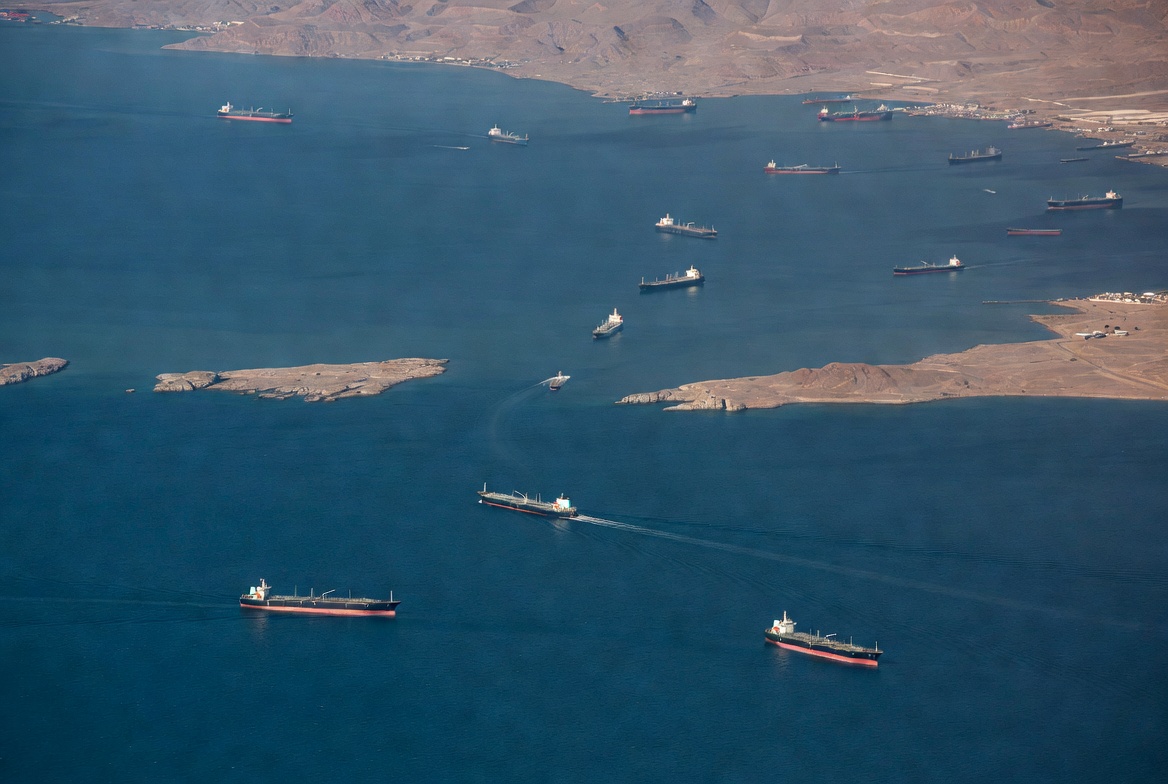
Maritime professionals working in high-risk areas know that the Strait of Hormuz remains one of the most critical chokepoints in global shipping. Recent events have dramatically reduced vessel movements there. A combination of restrictions from both sides has kept daily transits at only a small fraction of normal peacetime levels. This situation directly affects tanker operators, navigators, and companies involved in oil and gas transport.
Before the current tensions escalated, the strait typically saw an average of around 135 commercial ships per day. That volume supported roughly one-fifth of the world's oil consumption passing through this narrow waterway. Today, ship-tracking data shows far lower numbers. On a recent Tuesday, observers recorded about 11 vessels transiting the strait. Weekend averages hovered near 16 ships daily. Some reports, including statements from US officials, suggest the actual figure could exceed 20 when accounting for vessels that switch off their Automatic Identification System (AIS) transponders in high-risk zones.
This sharp decline stems from what analysts describe as a double blockade. In late February, following military actions involving the United States and Israel, Iran effectively closed the strait to most international shipping. Tehran positioned itself as the primary oil exporter in the region while limiting access for others. Initially, the US avoided fully blocking Iranian oil flows to help stabilize global energy prices and maintained some sanctions relief.
However, after ceasefire negotiations stalled, the US implemented a stricter naval blockade starting in the evening of April 13 (Persian Gulf time). This measure targets nearly all maritime traffic connected to Iranian ports and coastal areas. US forces have used radio communications to direct vessels to turn back, with several tankers complying and reversing course toward Iranian waters. No major boarding operations have been reported so far.
Iran has responded by claiming that some of its vessels have successfully navigated past the restrictions. One example involves an empty, US-sanctioned supertanker that made an inbound transit near Larak Island. Another Greek-owned very large crude carrier (VLCC) named Agios Fanourios I crossed into the Gulf on its second attempt, heading toward Iraq's Basra port. Most cargo-carrying Iranian tankers, however, have not broken through and have turned back.
Vessel movements remain concentrated in a narrow northern lane close to Iranian islands such as Larak and Qeshm. This routing helps vessels stay nearer to the coast. Some ships, including Iran-linked container vessels like Golbon and Kashan, have exited the Persian Gulf by hugging the shoreline toward Pakistan. Satellite imagery has also shown activity at Iran's Jask export terminal, located outside the main Persian Gulf but within the eastern part of the strait area. A VLCC was observed loading there before its transponder went dark.
The economic consequences are significant. The reduced flow has created a shortfall of more than 400 million barrels in oil shipments since the conflict began. Oil prices have risen by about 31 percent, with European natural gas prices showing similar gains. War-risk insurance premiums remain elevated, and shipping companies review coverage frequently. Many operators continue to avoid the area or keep vessels stationary when possible.
For seafarers and maritime students, this case highlights several important lessons in modern navigation and risk management:
- "AIS and visibility": Vessels often disable transponders in contested waters to reduce detection risk. This practice complicates real-time tracking and requires reliance on alternative intelligence sources.
- "Chokepoint navigation': In restricted passages like Hormuz, traffic follows specific lanes. Understanding local geography, including islands and coastal features, becomes essential for safe routing.
- "Geopolitical impacts on operations": Blockades and conflicting claims can change access rules quickly. Crews must stay informed through official notices, company guidance, and maritime security alerts.
- "Compliance and communication": Radio contact with naval forces plays a key role. Professional mariners prepare for scenarios involving instructions from military authorities while prioritizing safety and flag-state obligations.
Restoring full shipping capacity through the strait is vital for global energy markets and supply chains. As of mid-April 2026, traffic remains limited, with most observed transits involving smaller vessels, bulk carriers, or specific non-Iranian linked tankers. Iran-linked crude exports continue under challenging conditions, often with signals off.
Seafarers planning operations near the Middle East should monitor updates from reliable sources such as Lloyd's List, shipping data providers like Kpler, and official naval advisories. Situational awareness, careful passage planning, and adherence to best practices in high-risk areas can help mitigate dangers in this strategically important waterway.
Source: Adapted and paraphrased from original reporting by Julian Lee and Prejula Prem for Bloomberg, published on gCaptain.com (April 15, 2026).
There are no comments.
Similar Posts
-
US Naval Blockade of Iranian Ports Enters Second Day as Peace Talks Show Signs of Progress
April 14, 2026, 5:40 p.m.
-
Damaged Energy Facilities in the Gulf Region
April 12, 2026, 4:59 p.m.
-
Oil Tankers Reverse Course in Strait of Hormuz Following Collapse of US-Iran Negotiations
April 12, 2026, 4:50 p.m.
-
Maritime Security and the Shadow Fleet: Swedish Authorities Intervene in Baltic Sea Case
May 4, 2026, 6:33 p.m.